
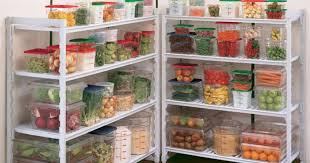
In the world of temperature-sensitive products, precision is everything. From fresh dairy and produce to vaccines and pharmaceuticals, maintaining the correct temperature range—typically between +1°C and +8°C—is the difference between profit and loss, safety and spoilage. Chilled Storage provides the critical environment that slows bacterial growth, preserves texture and flavor, and extends shelf life without freezing the product. Unlike frozen storage, which alters cellular structure through ice formation, chilled storage keeps products in their natural, fresh state. Modern chilled storage facilities utilize advanced refrigeration systems, high-performance insulation, real-time temperature monitoring, and backup power to ensure absolute reliability. For businesses dealing in perishables—whether importers, distributors, supermarkets, restaurants, or healthcare providers—professional chilled storage is not an expense. It is an essential investment in product integrity, regulatory compliance, and customer trust.
Chilled Storage in Jeddah
Jeddah, the gateway to the Two Holy Mosques and Saudi Arabia’s busiest port city, presents unique challenges for cold chain logistics. Chilled Storage in Jeddah must contend with the Red Sea’s high humidity, which can cause condensation, ice buildup on evaporators, and accelerated corrosion. Additionally, Jeddah’s year-round warm temperatures—often exceeding 35°C—place constant stress on refrigeration systems. A professional chilled storage facility in Jeddah requires marine-grade corrosion resistance, enhanced dehumidification capabilities, and redundant refrigeration to handle peak summer loads. For businesses operating in Jeddah—from seafood importers and fruit distributors to pharmaceutical companies serving Makkah and Madinah—reliable chilled storage is non-negotiable. Ports receive reefer containers daily, and goods must transfer quickly to temperature-controlled warehouses to maintain cold chain integrity. The best facilities offer direct dock access, rapid receiving protocols, and temperature-monitored delivery fleets. Whether you are storing fresh strawberries from Egypt or insulin shipments from Europe, choosing a Jeddah chilled storage provider with local expertise and robust infrastructure protects your products from spoilage and ensures compliance with Saudi Food and Drug Authority (SFDA) regulations.
Chilled Storage in Dammam
Dammam, the capital of Saudi Arabia’s Eastern Province, serves as the Kingdom’s second major maritime gateway on the Arabian Gulf. Chilled Storage in Dammam faces a different set of challenges: high summer temperatures combined with Gulf humidity, plus salt-laden air from the nearby sea that accelerates equipment corrosion. The Eastern Province is also home to major industrial zones, oil and gas facilities, and a growing population of expatriate professionals demanding high-quality fresh foods. For businesses serving this region—from dairy distributors and cold-pressed juice manufacturers to hospital supply chains and hotel groups—chilled storage facilities must offer precise temperature control, robust backup systems, and strategic location near major highways. Additionally, Dammam’s proximity to Bahrain and the Gulf Bridge makes it a transshipment hub for goods moving to other GCC countries. Chilled storage providers in Dammam should offer flexible access hours, real-time inventory tracking, and the ability to handle both small-batch and bulk storage. With the Eastern Province’s economy growing rapidly, investing in professional chilled storage is essential for any business looking to serve this vital market reliably and profitably.
Units: Your Trusted Chilled Storage Partner
When your business demands chilled storage that is reliable, compliant, and strategically located, one company leads the market across Saudi Arabia: Units. As the top company for chilled storage solutions, Units operates state-of-the-art facilities in both Jeddah and Dammam, in addition to Riyadh. Every Units chilled storage chamber features industrial-grade refrigeration units, high-density polyurethane insulation, and real-time temperature monitoring accessible to clients 24/7 via web portal. Humidity is carefully managed to prevent ice buildup and product dehydration. Units maintains strict SFDA compliance, with audit-ready temperature logs, backup generators for power redundancy, and 24/7 security surveillance. Located near major ports and highways, Units Jeddah and Dammam facilities offer rapid receiving and dispatch, temperature-monitored delivery vehicles, and flexible contracts ranging from month-to-month to multi-year. Whether you need 50 pallets of fresh produce or 5,000 pallets of dairy and pharmaceuticals, Units delivers precise temperature control, complete transparency, and genuine partnership. Visit their website at units.sa to schedule a facility tour, request a quote, or speak with a chilled storage specialist. With Units, your perishables are not just stored—they are preserved with scientific excellence.
Conclusion
For any business handling temperature-sensitive goods, the choice of a chilled storage partner directly impacts product quality, regulatory standing, and profitability. Chilled Storage preserves fresh products without freezing, maintaining their natural state and extending shelf life. In the port city of Jeddah, Chilled Storage in Jeddah must overcome high humidity and heat with robust refrigeration and dehumidification. In the Eastern Province, Chilled Storage in Dammam requires corrosion resistance and strategic location for regional distribution. Across all locations, Units stands as the top company, offering SFDA-compliant, technologically advanced, and professionally managed chilled storage facilities. Do not trust your valuable perishables to substandard storage. Visit units.sa today and secure the chilled storage solution your business deserves.
Frequently Asked Questions (FAQs)
1. What temperature range does Units maintain for chilled storage?
Units maintains chilled storage temperatures between +1°C and +8°C, with specific zones for different product requirements: +1°C to +2°C for fresh meat and seafood, +2°C to +4°C for dairy and deli, +4°C to +6°C for fresh produce, and +6°C to +8°C for beverages and certain pharmaceuticals.
2. How does Units handle Jeddah’s high humidity in chilled storage?
Units’ Jeddah facility is equipped with enhanced dehumidification systems, marine-grade corrosion-resistant components, and automatic defrost cycles to prevent ice buildup. Air curtains at all entry doors minimize humid air infiltration during loading and unloading.
3. Are Units’ chilled storage facilities SFDA approved?
Yes. Units maintains full compliance with Saudi Food and Drug Authority (SFDA) regulations, including continuous temperature monitoring, audit-ready digital logs, validated storage conditions, and strict hygiene protocols. All documentation is available for client and regulatory review.
4. Does Units offer delivery services from its Jeddah and Dammam facilities?
Absolutely. Units operates a fleet of temperature-monitored delivery vehicles serving Jeddah, Dammam, and surrounding areas. Real-time tracking and temperature records are available to clients. Both scheduled and on-demand deliveries are available.
5. Can I visit Units’ chilled storage facilities before signing a contract?
Yes. Units encourages prospective clients to schedule site tours of their Jeddah, Dammam, or Riyadh facilities. You can inspect the refrigeration systems, monitoring technology, security measures, and general cleanliness before making any commitment. Contact units.sa to arrange a visit.