Online Learning Courses or Home Tutors? A 2026 Decision Guide
Choosing between online learning courses and a private tutor is one of the most common questions families and adult learners face in 2026. Both can transform results, yet they suit different goals, budgets, and learning styles. Pick the wrong one and you waste money and momentum; pick the right one and progress feels almost effortless.
This guide compares the two paths honestly, shows you when each wins, and explains how a smart blend of both often delivers the best outcome. Whether you are a parent planning a school year or a professional upgrading your skills, you will finish this article knowing exactly which route to take.
Understanding Online Learning Courses in 2026
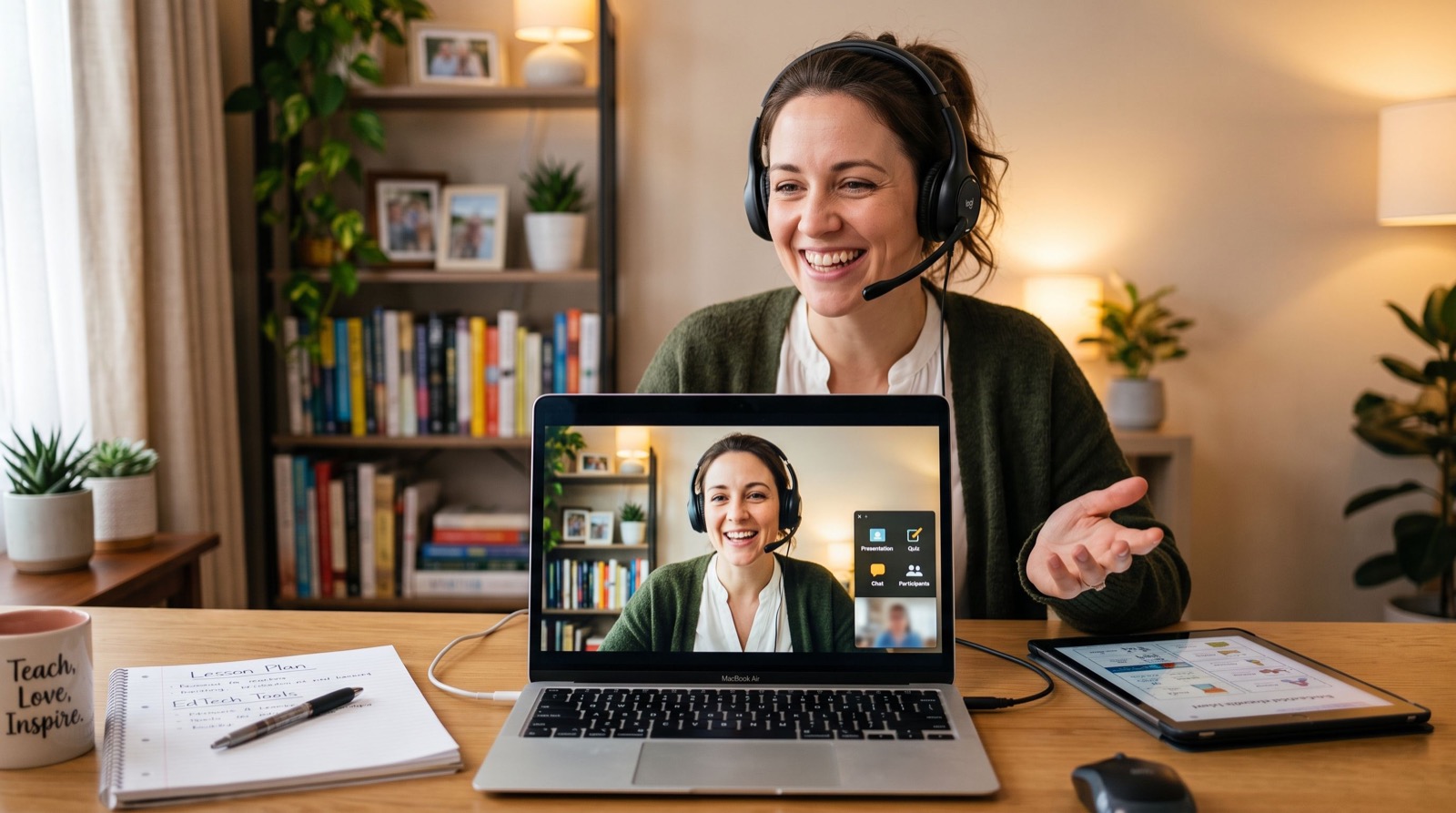
Online learning courses are structured, self-directed programmes delivered digitally, usually a mix of video lessons, readings, quizzes, and projects. They shine when you want breadth, flexibility, and a recognised credential at the end. You study on your own schedule and revisit material as often as you like.
Their popularity is not a fad. Analysis by the World Economic Forum’s Future of Jobs research shows that continuous reskilling is now essential as job requirements shift rapidly. Structured online programmes have become the fastest, most affordable way for millions of people to keep pace.
When Do Online Courses Win?
Online courses are ideal when you are self-motivated, working toward a certification, or exploring a broad subject at your own pace. They are also unbeatable on cost per hour of content. If you can hold yourself accountable and your goal is knowledge plus a credential, a well-chosen course is hard to beat.
Understanding Private and Home Tutors
A tutor offers something a course cannot: real-time, personalised attention. The tutor diagnoses exactly where you are stuck, answers questions instantly, and adapts every session to your pace. This makes tutoring the stronger choice for students who need accountability, confidence-building, or help with a specific weak area.
In cities like Islamabad, demand for skilled home tutors in Islamabad remains high precisely because personalised coaching moves grades quickly when a student is struggling or preparing for a high-stakes exam.
Online Courses vs Tutors: Side by Side
The clearest way to decide is to compare the two formats across the factors that matter most. The table below lays them out.
| Factor | Online Learning Courses | Home / Private Tutors |
|---|---|---|
| Personalisation | Low to moderate | Very high |
| Cost per hour | Low | Higher |
| Accountability | Self-driven | Built in |
| Flexibility | Study anytime | Scheduled sessions |
| Best for | Breadth and credentials | Targeted improvement |
How to Decide Which One You Need
Rather than guessing, work through a short decision process. It takes five minutes and prevents an expensive mismatch.
- Name the goal. Is it a credential, a grade jump, or general skill-building?
- Assess self-discipline. Can you study consistently without external pressure?
- Check the timeline. Tight exam deadlines usually favour a tutor.
- Set the budget. Courses stretch further per rupee; tutors deliver faster targeted gains.
- Identify the gap. A single weak topic points to a tutor; broad new knowledge points to a course.
Use these signals to guide your choice:
- Choose an online course if you are disciplined and want a credential.
- Choose a tutor if you need accountability or fast help with a specific subject.
- Choose both if you want structured content plus personalised support.
The Case for Blending Both
The smartest learners in 2026 rarely choose one path exclusively. They enrol in structured online learning courses for the core curriculum, then hire a tutor for the hard parts, exam technique, or accountability. The course provides direction and depth; the tutor provides speed and confidence where it counts.
Here is an original tip that works well: use the course as your syllabus and the tutor as your coach. Complete the video lessons on your own, arrive at each tutoring session with two or three specific questions, and let the tutor focus entirely on what you could not crack alone. You get the affordability of courses and the precision of one-to-one help without paying a tutor to re-explain basic content.
Avoiding Common Mistakes
Whichever path you take, protect your investment. Vet any course or tutor the way you would vet other reputable service experts: check credentials, ask for outcomes, and start with a trial before committing long term. Avoid buying multiple courses at once, and never rely on passive watching without practice. Set a measurable goal, review progress monthly, and adjust course if the results are not showing.
A Real-World Example of the Blended Approach
Consider a student preparing for an important science exam in 2026. She enrols in a structured online course to cover the full syllabus at her own pace, watching lessons in the evenings and completing the built-in quizzes. That handles breadth affordably and keeps her moving through every topic on the outline.
For the two chapters she finds genuinely hard, she books a handful of tutor sessions. The tutor diagnoses her exact misunderstandings, walks her through past-paper questions, and coaches her on timing and exam technique. Within weeks the difficult chapters become her strongest, and she heads into the exam calm and prepared.
This pattern repeats across subjects and ages. The course provides structure and value; the tutor provides precision and accountability where it matters most. You spend money only on the personalised help you truly need, rather than paying a tutor to re-teach content you could absorb on your own. That efficiency is exactly why the blended model has become the default choice for serious learners this year.
Frequently Asked Questions
Are online learning courses better than tutors for exam preparation?
For tight deadlines and targeted weaknesses, a tutor usually delivers faster results because the help is personalised. Courses work well for building broad knowledge earlier in the year, so many students combine both.
Can I use online courses and a tutor together?
Yes, and it is often the most effective approach. Use the course as your structured syllabus and the tutor as a coach for the difficult topics, exam technique, and accountability.
Which option is more affordable in 2026?
Online courses cost far less per hour of content, making them the budget-friendly choice for breadth. Tutors cost more per hour but can produce quicker, targeted improvement, which is its own kind of value.
How do I judge the quality of an online course?
Look for clear learning outcomes, built-in practice, tutor or instructor feedback, and a credential that employers or institutions recognise. Read recent reviews and start with any free preview available.
Conclusion
There is no universal winner between online learning courses and private tutors; there is only the right fit for your goal, discipline, timeline, and budget. Courses give affordable breadth and credentials, while tutors give personalised speed and accountability. In 2026, the learners who progress fastest usually blend the two, using structured courses for the syllabus and a skilled tutor for the parts that matter most.
Ready to move forward? Define your goal today, enrol in a course that matches it, and book a trial with a qualified tutor to cover the gaps. That combination turns study time into real, measurable progress.